
Sebastopol geese lifespan is one of the most common questions buyers ask before purchasing their first bird. Understanding how long Sebastopol geese live helps you plan your flock, your breeding program, and your long term commitment to these beautiful and rare waterfowl.
The short answer is that Sebastopol geese live between 10 and 25 years with proper care. This makes them one of the longest lived domestic waterfowl breeds available and a genuine long term companion animal for backyard keepers and hobby farmers.
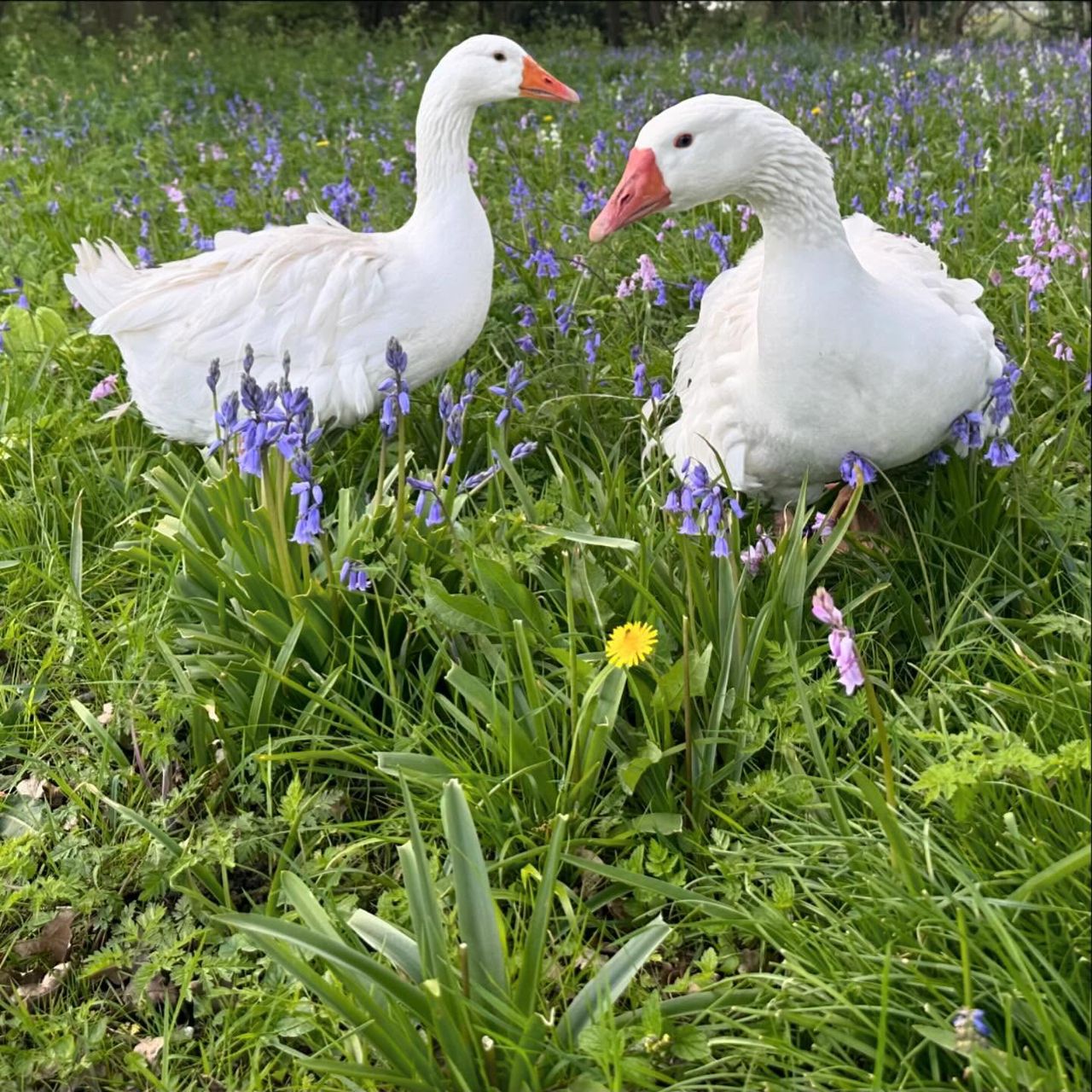
Average Sebastopol Geese Lifespan
The average Sebastopol geese lifespan in a well managed backyard or farm setting is 15 to 20 years. Some birds live beyond 25 years under exceptional care conditions. The primary factors affecting Sebastopol geese lifespan include diet, housing, predator protection, access to fresh water, and veterinary care when needed.
Compared to other popular backyard poultry Sebastopol geese are exceptional in their longevity. Chickens typically live 5 to 10 years. Ducks average 8 to 12 years. Sebastopol geese regularly outlive both by a significant margin making them a much longer term commitment and investment.
Factors That Affect Sebastopol Geese Lifespan
Diet and Nutrition
Proper nutrition is the single most important factor in maximizing Sebastopol geese lifespan. Sebastopol geese are grazers and thrive on access to fresh pasture supplemented with waterfowl pellets. They should never be fed layer pellets designed for chickens as the calcium content is too high for geese and can cause long term kidney damage that significantly shortens lifespan.
Fresh clean water for drinking and bathing is essential every day. Sebastopol geese that cannot access bathing water daily will develop feather quality issues and are more prone to skin infections that can affect overall health and longevity.
Housing and Predator Protection
Sebastopol geese lifespan is dramatically reduced by predator exposure. Foxes, coyotes, raccoons, and dogs are the primary threats to backyard geese. A secure overnight shelter with a predator proof door is essential. Sebastopol geese should never be left outside unsecured at night regardless of how rural or safe your property appears.
Access to Water
Sebastopol geese require daily access to water deep enough to submerge their heads for cleaning their nostrils and eyes. Geese that cannot perform this daily behavior are prone to eye infections and respiratory issues that can shorten their lifespan. A livestock tub, kiddie pool, or natural pond all work well.
Flock Companionship
Sebastopol geese are highly social animals. Single geese kept without companions often show signs of stress and depression that can negatively affect immune function and overall health. Keeping at least two Sebastopol geese together dramatically improves quality of life and supports a longer healthier lifespan.
Veterinary Care
Access to an avian or waterfowl veterinarian can significantly extend Sebastopol geese lifespan by addressing health issues early. Annual health checks, parasite management, and prompt treatment of injuries or illness all contribute to a longer life. Finding a vet experienced with waterfowl before you need one is strongly recommended.
Sebastopol Geese Lifespan vs Other Goose Breeds
Sebastopol geese lifespan is comparable to other domestic goose breeds. Most domestic goose breeds including Toulouse, Embden, and African geese live 10 to 25 years under good care. Sebastopol geese are not notably shorter or longer lived than other breeds. What sets them apart is their ornamental value and gentle temperament which makes their long lifespan a particular asset for buyers who form strong bonds with their birds.
Breeding Lifespan of Sebastopol Geese
Sebastopol geese remain productive breeders for most of their lives. Females typically begin laying at 2 years of age and continue producing eggs through their early teens with gradually declining production in later years. Males remain fertile and active breeders well into their teens under good management conditions.
This long productive breeding lifespan makes adult Sebastopol geese an excellent investment for breeders. A well chosen breeding pair can produce goslings for 10 or more years making the initial purchase price of $400 to $500 for a quality bonded pair very reasonable over their productive lifetime.
How to Maximize Your Sebastopol Geese Lifespan
- Feed a quality waterfowl pellet supplemented with fresh pasture access
- Provide fresh clean drinking and bathing water every day
- House in a predator proof shelter every night without exception
- Keep at least two geese together for social wellbeing
- Monitor for signs of illness and seek veterinary care promptly
- Trim feathers around the vent annually to maintain breeding fertility
- Provide shade and cool fresh water during hot summer months
- Check regularly for external parasites including mites and lice
Are Sebastopol Geese Worth the Long Term Commitment
Absolutely. Sebastopol geese lifespan of 15 to 20 years means buying a pair of Sebastopol geese is a significant long term relationship. Buyers who commit to proper care find their Sebastopol geese become genuinely bonded companion animals that recognize their owners, respond to their names, and integrate into farm life in a way few other poultry breeds can match.
For exhibition breeders the long productive breeding lifespan of Sebastopol geese means an investment in quality breeding stock pays dividends for many years. For homesteaders and backyard keepers the long lifespan means the birds become a genuine part of the family rather than a short term livestock project.
Sebastopol geese are recognized as a Watch breed by the Livestock Conservancy due to their limited global population. Every Sebastopol goose kept in a healthy long lived flock contributes to the preservation of this rare and beautiful breed.
Ready to Add Sebastopol Geese to Your Flock
Sebastopol Farm has Sebastopol goslings, hatching eggs, and adult birds available for nationwide shipping from our Indiana breeding operation. All color varieties including rare Blue and Lavender are available. Visit our Available Sebastopol Geese page to see current inventory and pricing.