
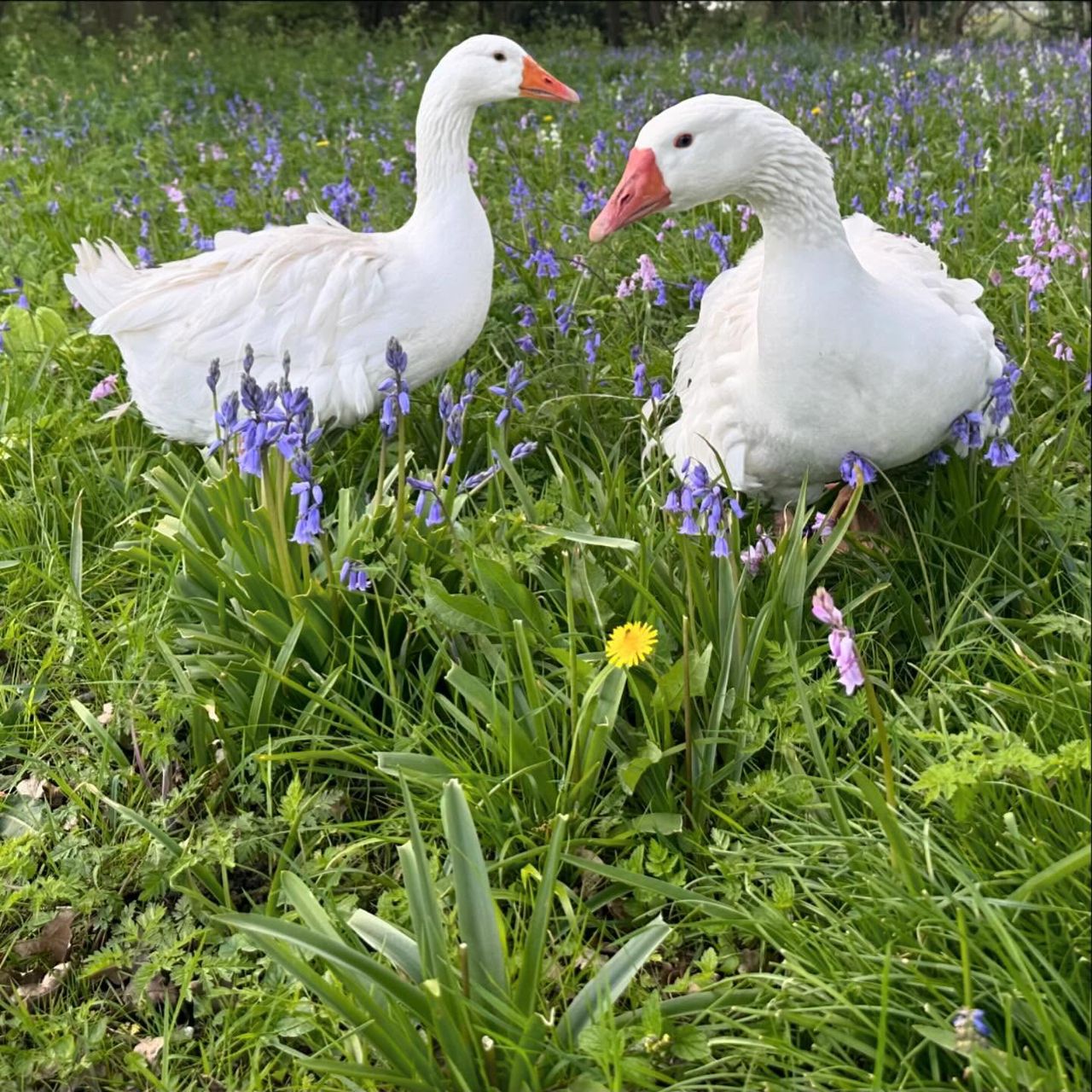
Sebastopol geese care is more straightforward than most new owners expect. Despite their exotic appearance and rare breed status Sebastopol geese are hardy, adaptable birds that thrive in a wide range of backyard and farm settings across the United States. This complete Sebastopol geese care guide covers everything you need to know to keep your birds healthy, happy, and productive for their full 15 to 20 year lifespan.
Sebastopol Geese Care: Housing Requirements
Sebastopol geese need a dry, draft free shelter for overnight protection from predators and harsh weather. The shelter does not need to be elaborate. A simple three sided structure with a predator proof door is sufficient for most climates. Each adult Sebastopol goose needs approximately 6 to 8 square feet of indoor space.
Predator protection is the most critical element of Sebastopol geese care housing. Foxes, coyotes, raccoons, dogs, and owls are all capable of killing geese. Hardware cloth with half inch openings is significantly more predator resistant than standard chicken wire. All doors and windows should latch securely from the outside.
Sebastopol geese feathering does not insulate as efficiently as standard goose feathering due to the curly structure of their plumage. In very cold climates they will spend more time indoors than other breeds. A deep straw bedding layer provides ground insulation and helps maintain body heat during winter months.
Sebastopol Geese Care: Water Requirements
Fresh water is the single most important element of Sebastopol geese care. Sebastopol geese require daily access to water deep enough to submerge their entire head. This is not optional. Geese that cannot submerge their heads cannot clean their nostrils and eyes properly and will develop respiratory and eye infections over time.
A minimum water depth of 6 to 8 inches is recommended. Options include:
- Large rubber livestock tubs changed daily
- Plastic kiddie pools emptied and refilled regularly
- Natural pond or water feature with fresh water inflow
- Large galvanized stock tanks
Sebastopol geese also need bathing water for feather maintenance. Their curly feathers trap dirt and debris more easily than straight feathers. Regular bathing keeps their feathers clean and maintains the curl quality that makes them so distinctive. Feather quality in Sebastopol geese is directly tied to how often they can bathe.
Sebastopol Geese Care: Diet and Feeding
Proper nutrition is essential for Sebastopol geese care and long term health. Sebastopol geese are natural grazers and do best with access to fresh pasture supplemented with a quality waterfowl pellet. The key nutritional rules for Sebastopol geese are:
- Never feed layer pellets designed for chickens. The high calcium content damages goose kidneys over time.
- Feed waterfowl specific pellets with appropriate niacin levels. Geese need more niacin than chickens and niacin deficiency causes leg problems.
- Provide grit for proper digestion especially if birds do not have pasture access.
- Offer fresh greens daily if pasture access is limited. Lettuce, kale, and grass clippings are all excellent supplements.
- Limit treats to healthy options. Bread, crackers, and processed foods should be avoided entirely.
Adult Sebastopol geese on good pasture may need very little supplemental feed during warm months. During winter when pasture is unavailable increase waterfowl pellet rations to compensate for reduced grazing.
Sebastopol Geese Care: Feather Maintenance
Feather care is unique to Sebastopol geese compared to other waterfowl breeds. Their curly feathers require specific management to maintain quality and support breeding success:
Vent Trimming
Annual vent trimming is essential for breeding Sebastopol geese. The curly feathers around the vent area can prevent successful mating if they become too long. Trim feathers within a 3 inch radius of the vent on both males and females each spring before the breeding season begins. This single management practice has a dramatic impact on fertility rates.
Avoiding Muddy Conditions
Sebastopol geese raised in muddy conditions develop matted, dirty feathers that are difficult to clean and can permanently damage feather quality. Provide a dry, well drained outdoor area and rotate grazing areas to prevent mud buildup around water sources.
Winter Feather Care
Sebastopol geese feathers do not shed water or wind as efficiently as standard goose feathers. In very cold or wet weather provide a dry indoor shelter and ensure birds can get fully dry before overnight temperatures drop. Wet Sebastopol geese in freezing temperatures can develop hypothermia more quickly than other goose breeds.
Sebastopol Geese Care: Health Monitoring
Healthy Sebastopol geese are alert, active, and vocal. Signs of illness to watch for include:
- Lethargy or reluctance to move
- Loss of appetite or reduced water consumption
- Discharge from eyes or nostrils
- Lameness or difficulty walking
- Abnormal droppings
- Isolation from flock mates
- Labored breathing
Finding an avian or waterfowl veterinarian before you need one is an important part of Sebastopol geese care. Emergency vet searches during a health crisis waste critical time. Establish a relationship with a local vet experienced with waterfowl as part of your initial setup.
Sebastopol Geese Care: Flock Dynamics
Sebastopol geese are highly social animals that suffer when kept alone. A minimum of two geese is strongly recommended for any keeper. Single geese show signs of stress and depression that negatively affect immune function and overall health.
Sebastopol geese integrate well with other waterfowl breeds and with chickens in mixed flocks. They are gentle birds that rarely show aggression toward other poultry. Ganders can become territorial during breeding season but this is normal seasonal behavior that subsides after the breeding cycle ends.
Sebastopol Geese Care: Breeding Season Management
Sebastopol geese breeding season runs from late winter through late spring typically February through May. During this period:
- Trim vent feathers before the season begins
- Ensure breeding pairs have access to clean bathing water daily
- Provide nesting boxes or sheltered corners with clean straw for egg laying
- Collect eggs daily if you plan to incubate artificially
- Allow broody females to sit if natural incubation is preferred
- Monitor fertility by candling eggs at day 7 of incubation
Sebastopol geese are recognized as a Watch breed by the Livestock Conservancy due to their limited global population. Responsible breeding management is an important part of Sebastopol geese care for anyone maintaining breeding stock.
Ready to Get Started with Sebastopol Geese
Sebastopol Farm has Sebastopol goslings, hatching eggs, and adult birds available for nationwide shipping from our Indiana breeding operation. All color varieties including rare Blue and Lavender are available. Visit our Available Sebastopol Geese page to see current inventory and pricing.